Dr. Inyang Uwak, Leticia Gutierrez, Juliana Hernandez
Research and Policy Director, Government Relations and Community Outreach Director, Government Relations and Community Outreach Coordinator
As new laws go into effect in Septiembre, we at Air Alliance Houston (AAH) are taking a moment to reflect on another year of clean air advocacy at the Texas Legislature.
The 89th Regular Texas Legislative Session achieved some modest gains in environmental and public health protections. A total of 422 bills were filed during this session. With a stronger presence at the Capitol than in previous years, AAH staff and partners testified on over 20 bills and offered research, technical guidance, and community support on various environmental justice issues. We entered hopeful, but once again, many critical bills stalled before ever leaving the committee.
Our legislative priorities for this year focused on the following:
- Protection from emissions from Concrete Batch Plants
- Protection from cancer-causing air pollution
- Protection from chemical leaks
- Personal protection from air pollution
Protection from emissions from Concrete Batch Plants through more frequent permitting, protectiveness reviews of current facilities, and accurate violation histories, ensuring that bad neighbors are held accountable.
Over 20 bills were filed concerning concrete batch plants, which may be a reflection of the numerous aggregate facilities scattered across the Houston landscape. We supported several of these bills, but most didn’t progress far. One notable bill that passed was SB 763 (Alvarado), which requires the Texas Commission on Environmental Quality (TCEQ) to conduct a protectiveness review at least once every eight years for permanent concrete batch plants. This was a significant achievement, considering that their standard permits previously underwent a protectiveness review every 10 years. Another important win was SB 2351 (Alvarado) and its companion bill HB 1768 (Walle/Geren/Hernandez), which required that, if the TCEQ amends a standard permit, it may require facility operators authorized to start new construction, expansion, or modification under the previous permit to update their plans according to the new standard permit. These were small, notable wins; however, other bills that had significant public health impacts were stifled.
One such bill was SB 2082 (Miles), which aimed to prevent the location of a concrete crushing facility near a hospital—a measure we supported and were hopeful about—but it did not make it past the Senate committee on natural resources due to a lack of interest by the leadership to advocate for this bill. This was particularly frustrating, given the public outcry that followed the TCEQ’s approval of a permit for a concrete crushing facility near Lyndon B. Johnson Hospital, a Level III trauma center in Northeast Houston.
Testimony for SB 763: “This legislation takes a practical, balanced approach to ensuring the concrete batch plants in Texas operate responsibly and with respect for the health and safety of nearby communities."
Leticia Guitierrez, Air Alliance Houston
Protection from cancer-causing air pollution through the use of scientifically accurate exposure limits for toxic chemicals like benzene and hydrogen sulfide.
Most of the bills filed in relation to this issue did not pass. For example, HB 1341 (Reynolds), which would have ensured the establishment of a maximum allowable limit for hydrogen sulphide by the TCEQ, did not make it to the House Committee. Relating to a study on the effects of perfluoroalkyl and polyfluoroalkyl (PFAS) chemicals on public health, HB 1145 (Morales-Shaw) was not given a chance. Similarly, SB 1898 (Johnson) would have limited the discharge or use of certain PFAS-containing firefighting foams for testing or training purposes, but it did not pass either. However, HB 1639 (Patterson/Morales-Shaw/Collier/Metcalf), which aimed to study female firefighters’ PFAS exposure, passed into law. Further, regarding the regulation of facilities that store and distribute benzene or other volatile organic compounds in Channelview, a community that has historically faced unhealthy levels of these pollutants, SB 1179 (Alvarado) did not receive a hearing. This bill would have ensured that those facilities installed continuous ambient air monitors, implemented emission control technology, and conducted regular inspections and maintenance.
Testimony for SB 1898: “Firefighters work to protect life and property, but practicing with PFAs foams puts their lives and the lives of nearby community members at risk. It pollutes groundwater, endangers long-term health, and burdens the community with costly cleanups. SB 1898 offers a safer path forward while still allowing these foams in real emergencies.”
Environment Texas.
Testimony for HB 1730: “In 2019, the ITC fire in Houston highlights the urgent need for research on action on PFAs contamination. Over 130,000 gallons of firefighting foam, including PFAs, known as the forever chemicals, were used on the blaze. The foam then flowed into the Houston ship channel, contaminating the waterways with PFAs levels exceeding EPA drinking water limits.”
Leticia Guitierrez, Air Alliance Houston
Protection from chemical leaks through a reliable community notification system.
HB 457 (C. Morales), which would have established an emergency alert system for toxic chemical releases for communities near the facilities, did not make it out of the House Committee. Given the numerous chemical releases and exposures experienced by fenceline communities, including those resulting from chemical fires and incidents, it was surprising that this bill did not make more progress this year.
Personal protection from air pollution by knowing what is in the air, as determined by air monitoring, particularly in Fort Bend County, which has the dirtiest coal plant in Texas.
HB 826 (Lalani) aimed to address this gap by ensuring that at least one regulatory monitor was installed in Fort Bend County to provide air quality data for a community that hosts a significant pollution source, such as a coal plant. Though not an independent piece of legislation per se, we did see success in the area of air monitoring statewide through Budget Rider 7 – page 711 (Walle), which directs the TCEQ to add more air monitoring for Particulate Matter in counties not meeting national standards.
This summary would not be complete without highlighting SB 1758 (Birdwell), which halted the construction of a cement kiln in Grayson County until a multi-year study by the University of Texas at Austin can be completed on the impacts of the cement kiln on a nearby semiconductor manufacturing plant. The Governor permitted the bill to pass without his signature, and it was ultimately passed into law.
Special Session
As we write this blog, the legislature is in its second special session and continuing to debate crucial matters to public health, such as disaster prevention and relief in response to the devastating Julio 4th Hill Country flooding. Though no air quality explicit items have so far been included on either special session agenda, we know that extreme weather and disasters like what happened in the Hill Country are directly linked to fossil-fuel-caused climate change. We hope that, now and in future legislative sessions, our elected leaders can make meaningful progress on curbing the heat-trapping emissions that continue to warm and harm our communities.
Advocacy Day 2025
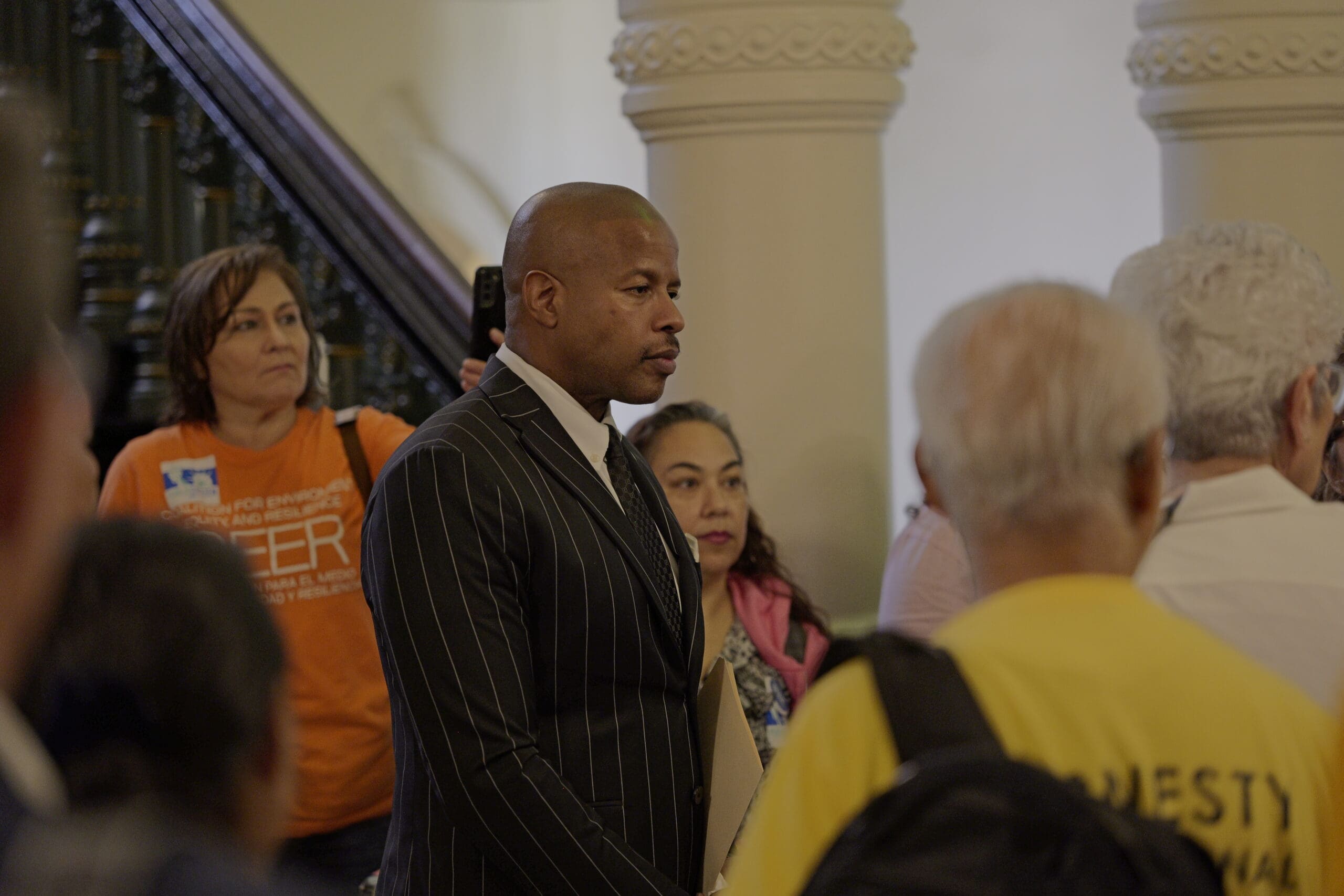
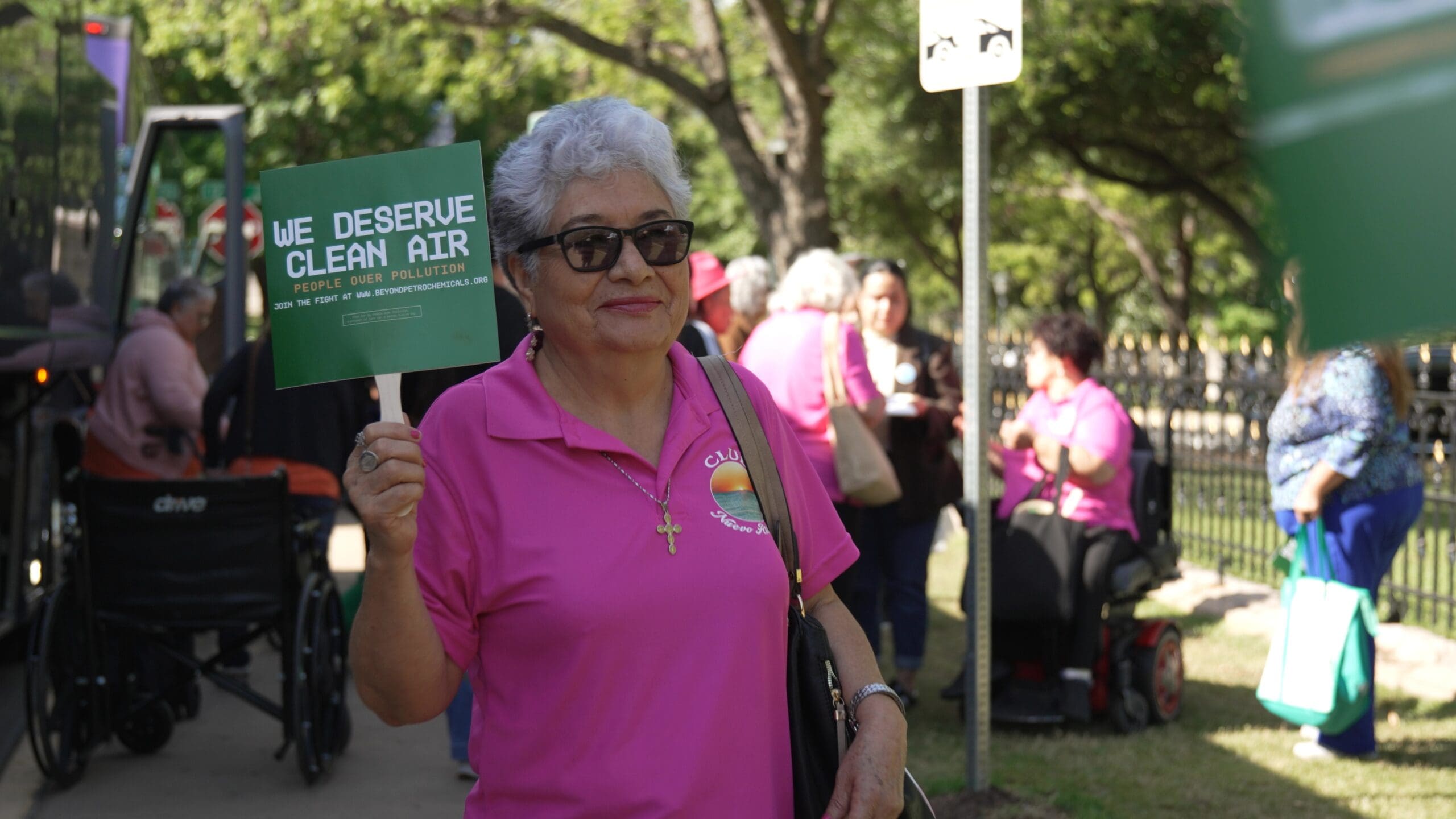
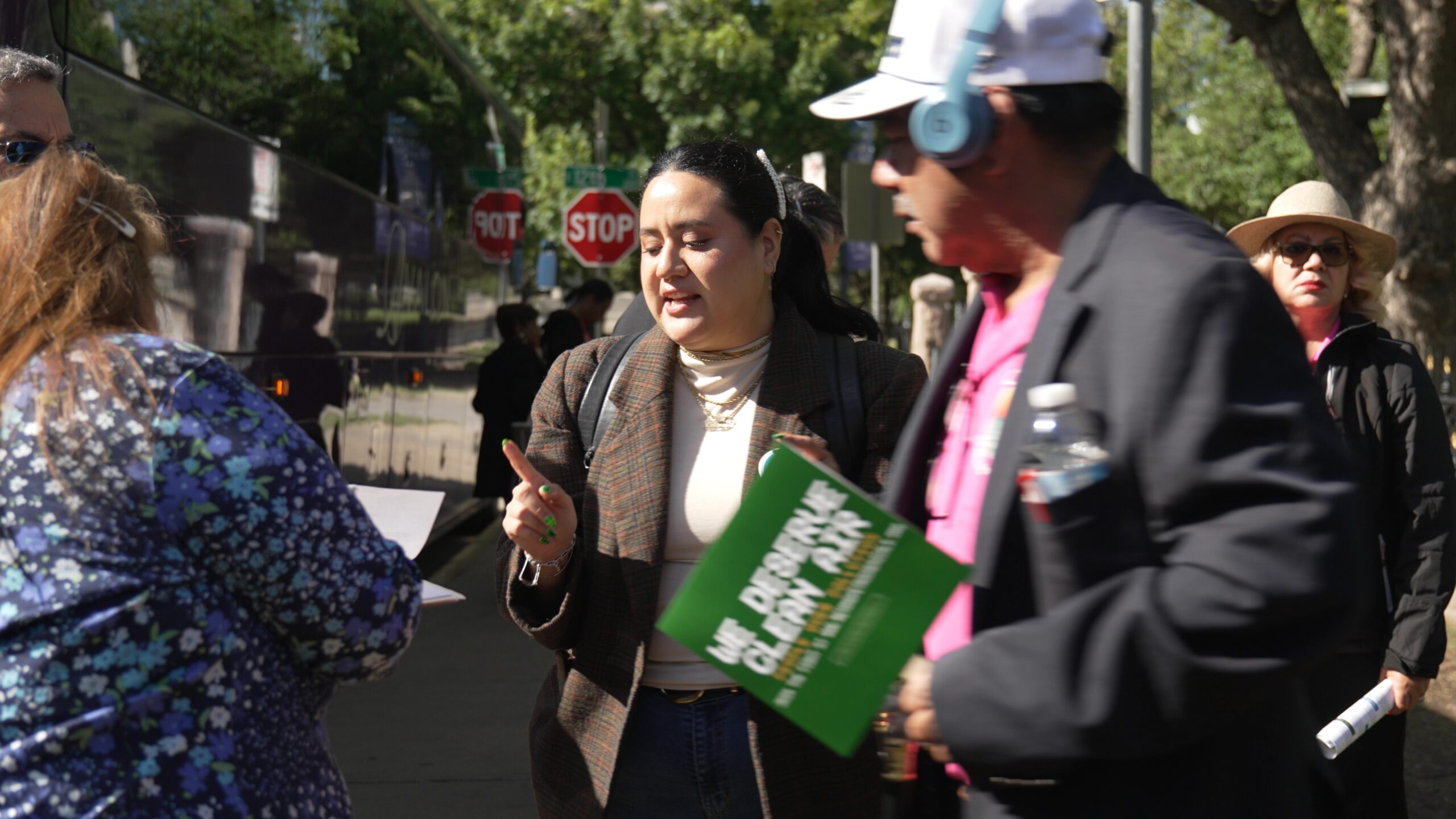
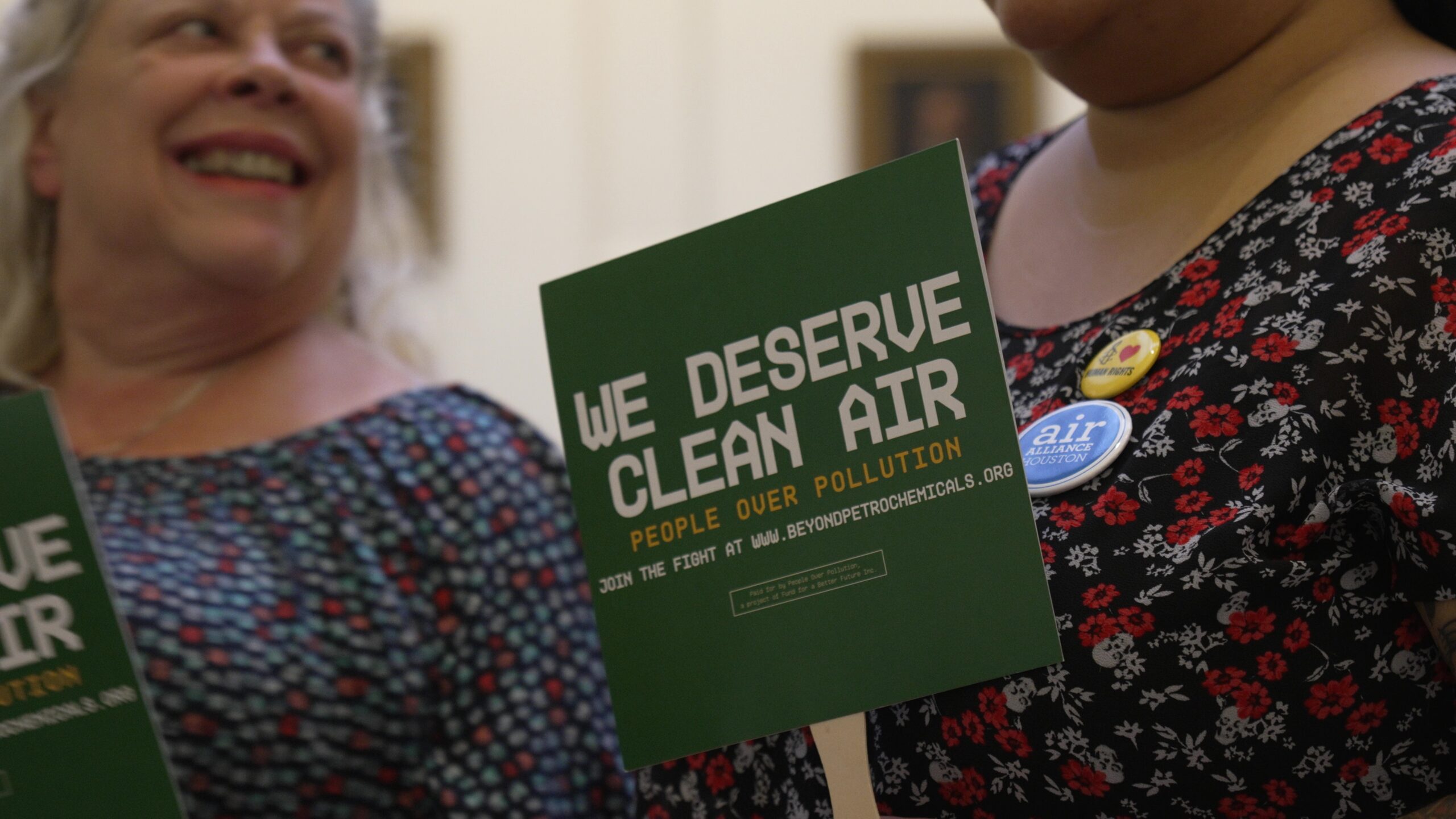
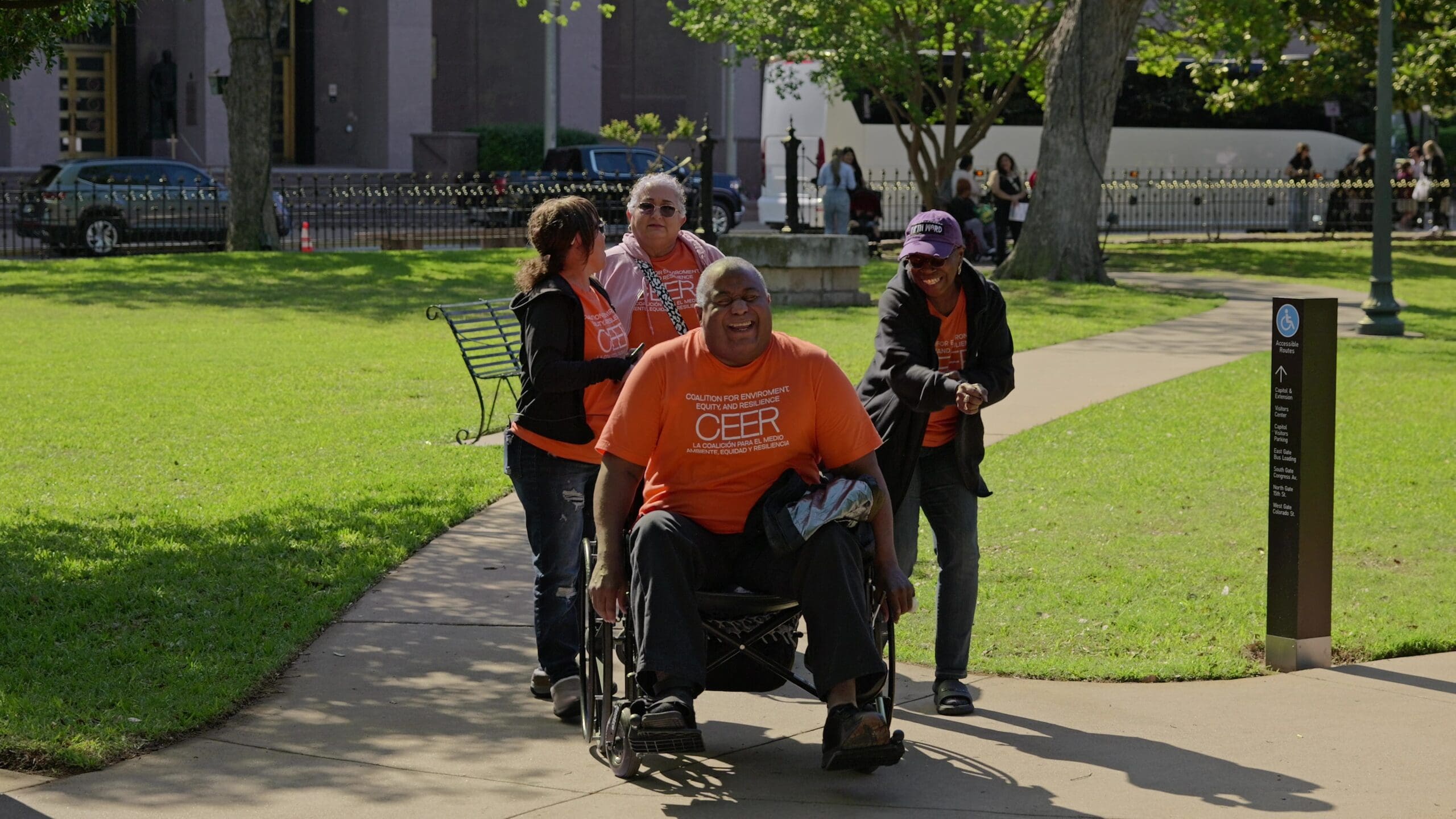
We extend our sincere gratitude to the sponsors who made Environmental Justice Advocacy Day at the Texas State Capitol possible. Your support enabled us to bring more than 100 community members from across the Greater Houston area to Austin, where they met with their elected representatives to share their experiences, concerns, and solutions regarding environmental impacts in our communities.
While at the Capitol, Senator Molly Cook and Representative Armando Walle recognized our group with remarks on the Senate and House floors, respectively. We deeply appreciate their acknowledgment of this critical work and the growing movement for environmental justice in Texas.
We are also grateful to Representative Penny Morales Shaw, Representative Ron Reynolds, and Representative Suleman Lalani for meeting with our group, taking photos, and offering words of encouragement for our continued advocacy.
Finally, we want to recognize the organizers who dedicated their time, resources, and energy to making Advocacy Day a success and ensuring that our communities felt welcomed and supported throughout the day.
This day was not only a demonstration of community power but also a reminder of the importance of sustained advocacy at every level of government. We look forward to building on the momentum of Advocacy Day as we continue the fight for clean air and healthier communities across Texas.