
Dr. Inyang Uwak, DrPH, MPH, MD
Research and Policy Director
This series is in conjunction with our latest report, "Emissions Events in Harris County, 2017-2024."
Agencies, Accountability & Preventable Pollution
Structural Failure
Most large industrial facilities are allowed to emit limited amounts of pollution under their air permits, with limits varying by facility, pollutant, and circumstances. Emissions that exceed these limits are violations.
Of the 161 facilities that recorded an emission event over the past eight years, 148 of them (more than 91%) reported at least one exceedance.
Most facilities have been responsible for multiple exceedances, with some reporting several hundred, bringing the total number of permit limit violations to 6,349.
Why does this keep happening?
It is worth noting that Texas has some of the least stringent industrial emissions regulations in the country, with significantly higher thresholds for reporting emissions than other states.
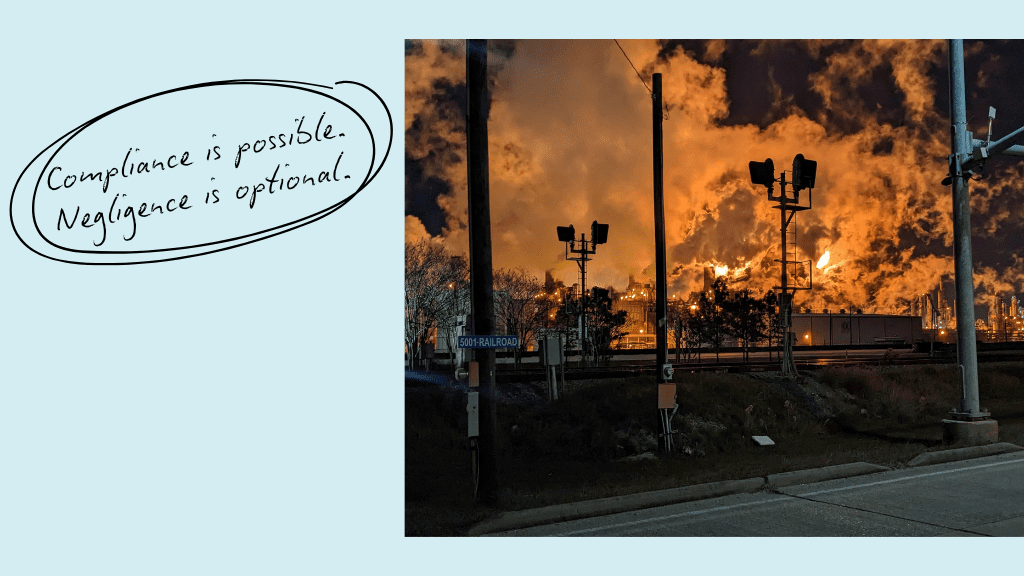
The fact that large industrial facilities still record tens to hundreds of permit exceedances each year despite the state’s lenient regulatory framework reveals a deeper pattern of disregard and negligence for environmental protection laws and local air quality.
TCEQ Enforcement Failure
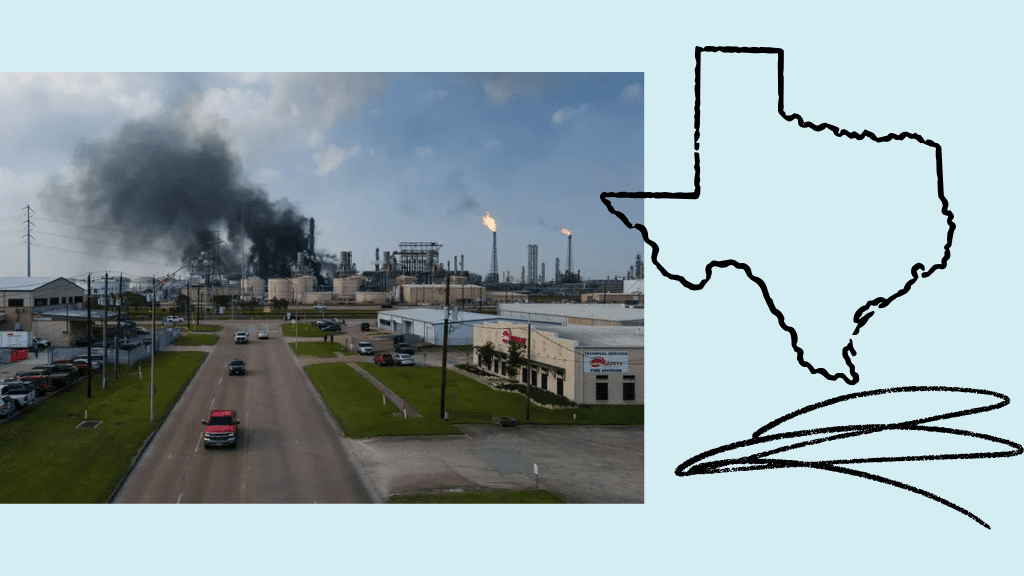
Texas Commission on Environmental Quality (TCEQ) lax enforcement, marked by minimal penalties and infrequent fines, has allowed major polluters to evade accountability. Investigations show the agency disproportionately targets small businesses for minor record-keeping errors, while 97% of violations by large industries go unpunished. When fines are issued, they are often too small to deter repeat offenses, leading corporations to pay penalties rather than invest in compliance.
Texas heavily relies on industrial self-reporting of emissions data through engineering calculations, particularly for emission events, and rarely verifies these values with real-time air monitoring. This suggests that the actual amount of pollution released and violations could likely be much higher than reported.
The Rollback Problem
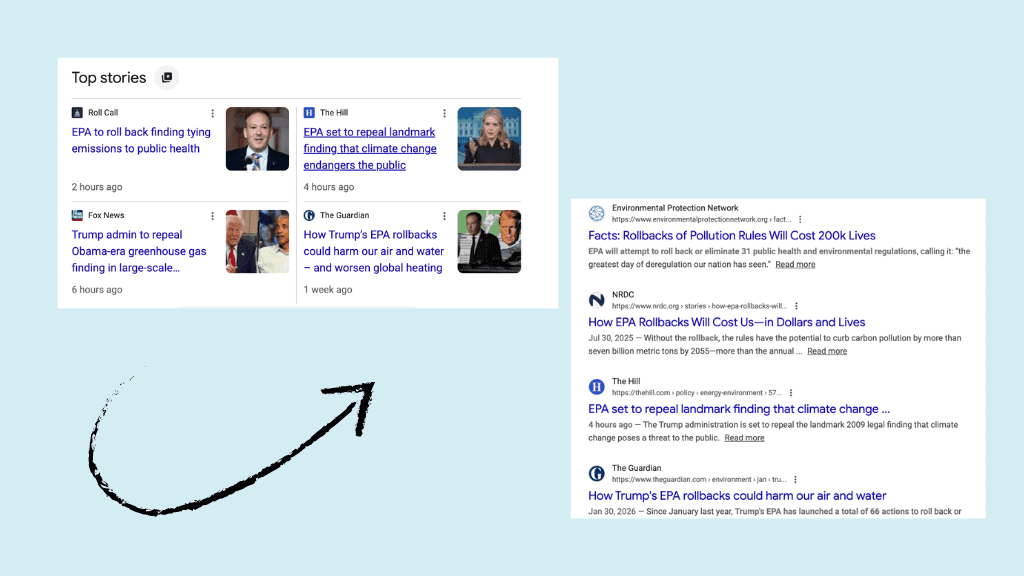
Recent federal rollbacks of environmental regulations under the current administration could significantly weaken environmental protections in Texas.
The planning and infrastructure improvements outlined in the EPA’s 2024 Risk Management Program, Safer Communities by Chemical Accident Prevention Rule, may have prevented several of these emission events.
What can you do about it?
- Speak up and mobilize your community. Share this information with your neighbors, schools, and local organizations to build awareness and collective power.
- Contact your elected representatives. Demand the Safer Communities by Chemical Accident Prevention rule (formerly RMP rule) does NOT change as it provides stronger air quality protections and better enforcement that can prevent these events from happening.
- Stay informed and ready to act. Sign up for our newsletter to get updates on air quality issues, upcoming permits, and opportunities to take action in your area.
In the event of a chemical emergency…
- Bring family and pets indoors and listen to local radio or TV stations for instructions and updates.
- Follow the instructions of local emergency officials.
- Grab your 3-day supply emergency kit.
- Gather important personal items and documents.
If told to evacuate:
- Wear full coverage clothing and sturdy shoes.
- Take your pets with you.
- Use the travel routes specified by local authorities.
- Maps of your area, preferably waterproof and non-digital.
If sheltering-in-place:
- Turn off air conditioners, heaters, and fans.
- Seal windows and doors.
- Go to an interior room without windows.
- Remain indoors until alerted by authorities that it is safe to exit.
For more information, go to:
Check out some of our other research and reports regarding emissions in Houston/Harris County:
- 88% of All Unauthorized Pollution Came From Just 12 Facilities, Pt. 2
The Truth about Emissions Events: Naming what is really happening in Houston, Pt. 1
- Houston’s Dirty Dozen: a report on the top industrial polluters.
- How Industrial Emissions in Harris County Impact Asthma Rates and Excess Deaths
- Air Alliance Houston’s Full Research and Report Library