
Texas is one of the least regulated states: Accountability + Policy, Pt. 5

Picture of Dr. Inyang Uwak, DrPH, MPH, MD

Dr. Inyang Uwak, DrPH, MPH, MD

Research and Policy Director

This series is in conjunction with our latest report, "Emissions Events in Harris County, 2017-2024."

We are not anti-industry. We are anti-harm

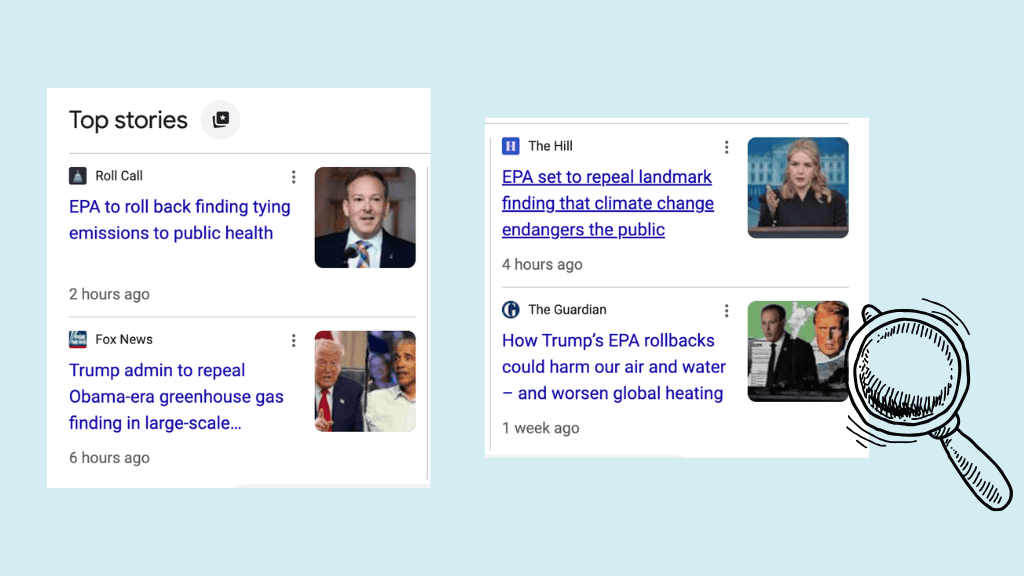
Fact Check: 2026 EPA Policy

What changed at the federal level this year (2026)?

  • EPA rescinded the endangerment finding — weakening federal authority to regulate greenhouse gases and limiting future climate protections.
  • Vehicle emission standards tied to the finding were repealed.
  • EPA will no longer quantify health benefits (e.g., avoided deaths) in cost–benefit analyses for some air rules.
  • New stationary source rules are less protective than expert recommendations.
  • Congressional investigations are underway into these changes.

These changes represent the largest deregulatory action in U.S. history on climate rules and weakens the EPA’s legal ability to curb major sources of air pollution.

What does this mean for us in Texas?

"We are already exposed to carbon dioxide, nitrous oxide, particulate matter, and ozone precursors at levels that far exceed what is healthy, which is exactly why we need the vehicle emissions standards and other rules that the Endangerment Finding requires. Moreover, we also live with the possibility of the next climate-induced extreme weather event, such as historic Gulf Coast flooding and freezing. The EPA’s recent decision ignores both bedrock atmospheric science and the lived realities of Houstonians, despite there being no time to waste. It’s clear that this administration has no actual plan to make America healthy or safe; in fact, it’s quite the opposite.”
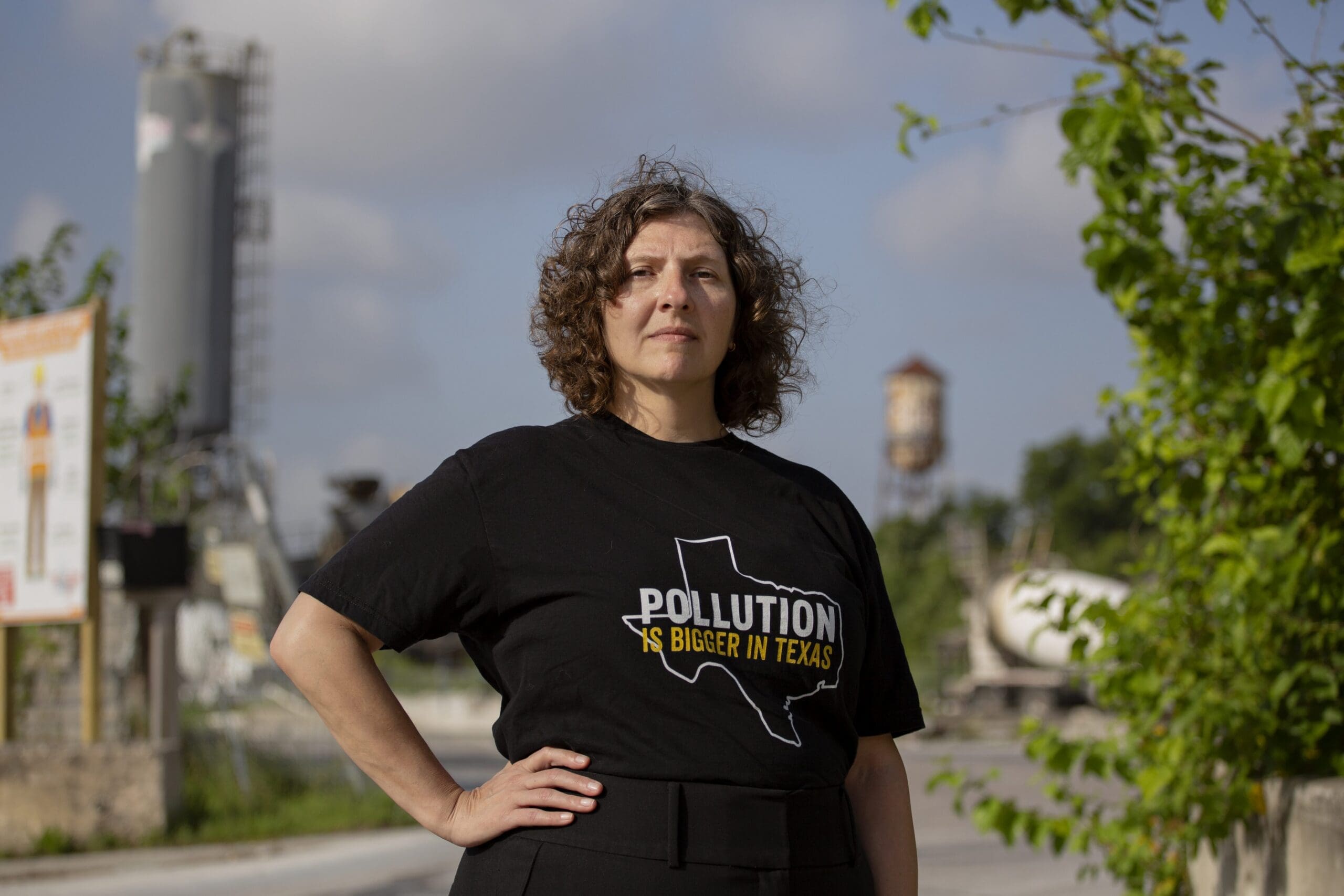
Jennifer Hadayia
Executive Director, Air Alliance Houston
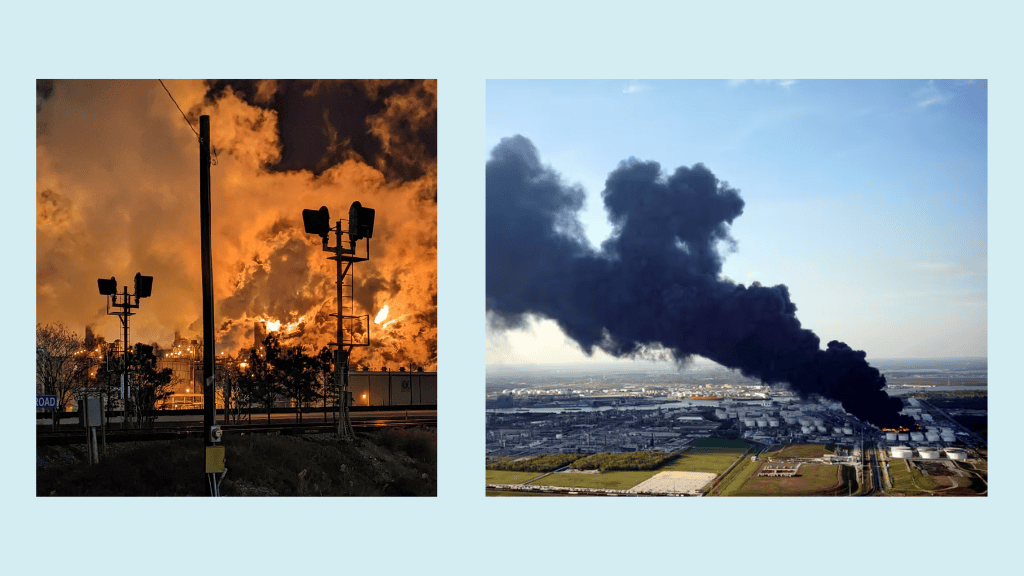
Systemic Non-Compliance with Industrial Emission Limits

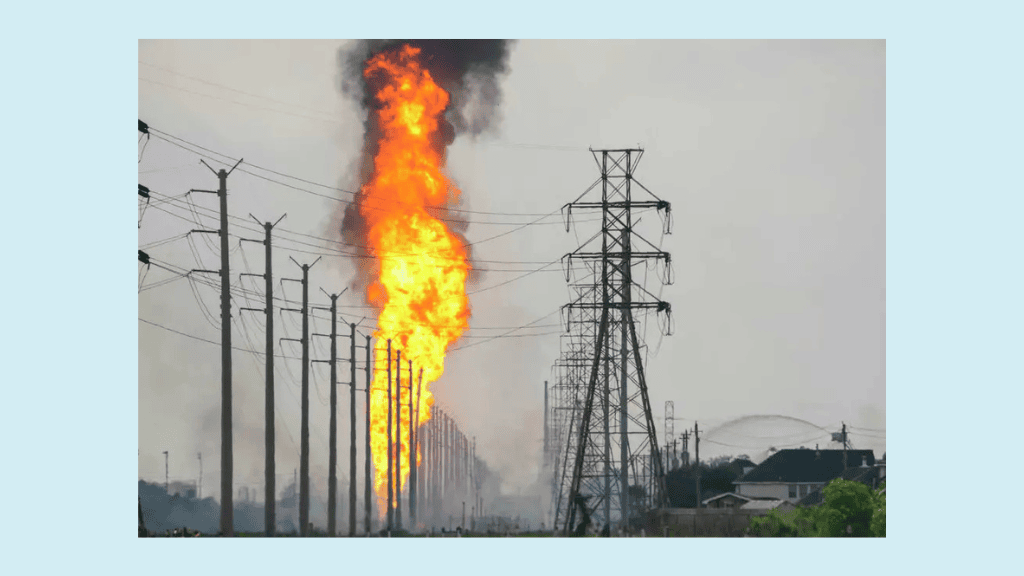
The existence of emission limits within industrial permits indicates that our regulators and policymakers are aware that these pollutants should be released into the air at very low rates and levels – significantly lower than they currently are. However, the sheer number of these violations demonstrates a routine industrial disregard for laws and regulations that protect our health and environment.

Why this Matters

📌 Less federal power to regulate toxic emissions

📌 Weaker protective standards for communities near industrial hubs

📌 Greater importance of state & local accountability mechanisms

With federal rollback of climate authority, local policy and accountability become even more crucial. Communities living next to repeat-offender facilities will bear increased health risks if regulatory backstops continue to erode.

What enforcement looks like

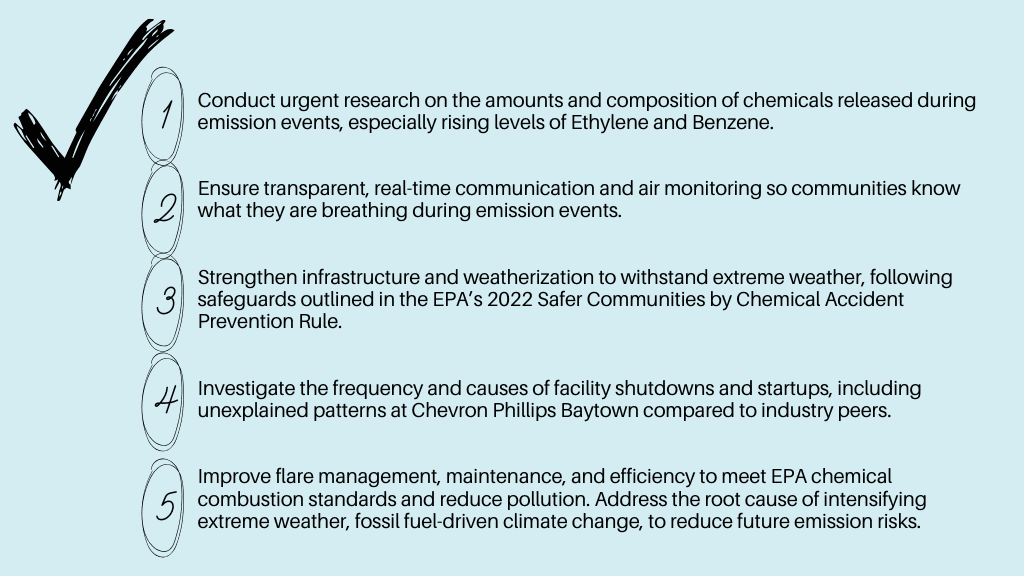
Recommendations:

What can you do about it?

  • Speak up and mobilize your community. Share this information with your neighbors, schools, and local organizations to build awareness and collective power.
  • Contact your elected representatives. Demand the Safer Communities by Chemical Accident Prevention rule (formerly RMP rule) does NOT change as it provides stronger air quality protections and better enforcement that can prevent these events from happening.
  • Stay informed and ready to act. Sign up for our newsletter to get updates on air quality issues, upcoming permits, and opportunities to take action in your area.

In the event of a chemical emergency…

  • Bring family and pets indoors and listen to local radio or TV stations for instructions and updates.
  • Follow the instructions of local emergency officials.
  • Grab your 3-day supply emergency kit.
  • Gather important personal items and documents.

If told to evacuate:

  • Wear full coverage clothing and sturdy shoes.
  • Take your pets with you.
  • Use the travel routes specified by local authorities.
  • Maps of your area, preferably waterproof and non-digital.

If sheltering-in-place:

  • Turn off air conditioners, heaters, and fans.
  • Seal windows and doors.
  • Go to an interior room without windows.
  • Remain indoors until alerted by authorities that it is safe to exit.

For more information, go to:

Share this post